
Saving water one drop at a time

Rivers, lakes and wetlands are vital habitats, and when water is in short supply, they suffer.

As our climate changes, hotter, drier weather is hitting the UK more often. This puts pressure on water resources.

We’re committed to helping you use water wisely. Every drop saved helps protect our environment, and small changes at home can add up to a big difference. Here are our top ten water-saving tips to get you started:

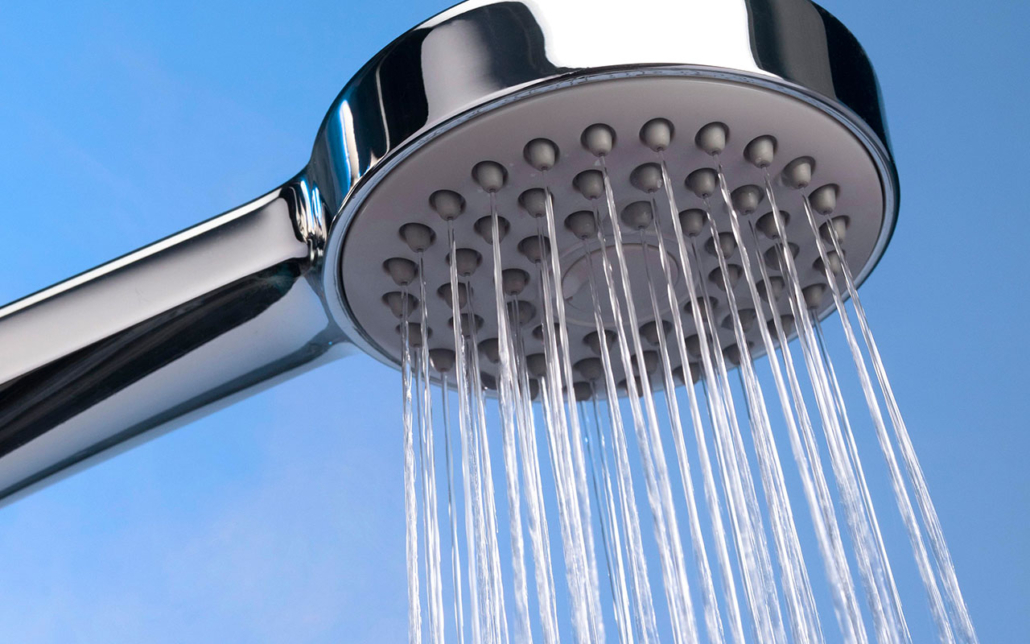
Shorter showers, not baths

Swapping baths for showers is a powerful way to save water. Already a shower fan? Try to keep it to four minutes or less. Set a timer. Pick your favourite 4-minute song. Smash your personal best.

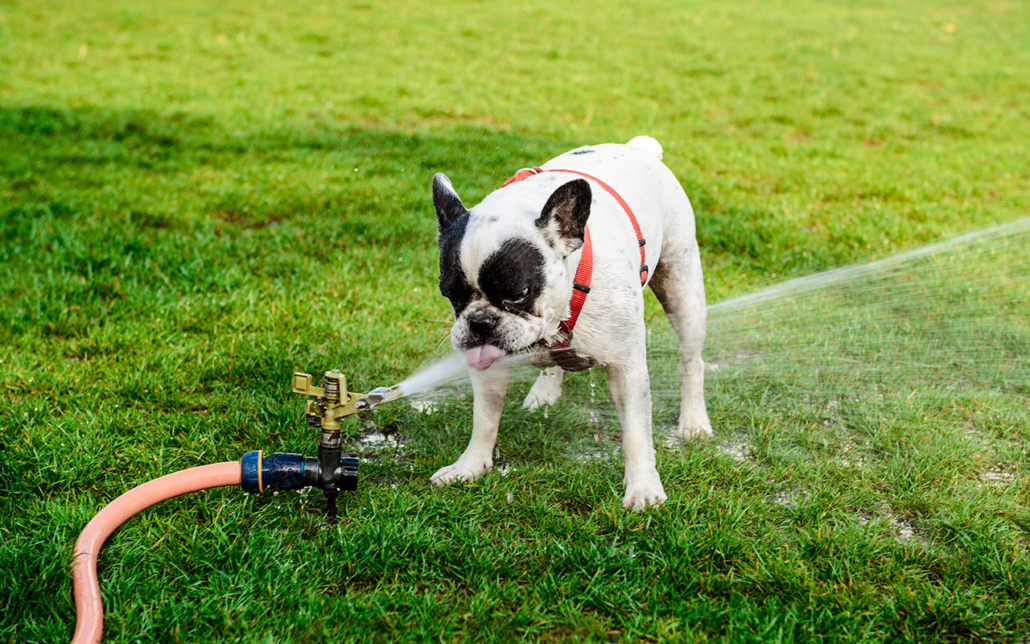
Hold off on the hose

Garden sprinklers use a lot of water. Swap your hose for a gardening can, using collected rainwater, unsalted cooking water, or grey water for watering plants.

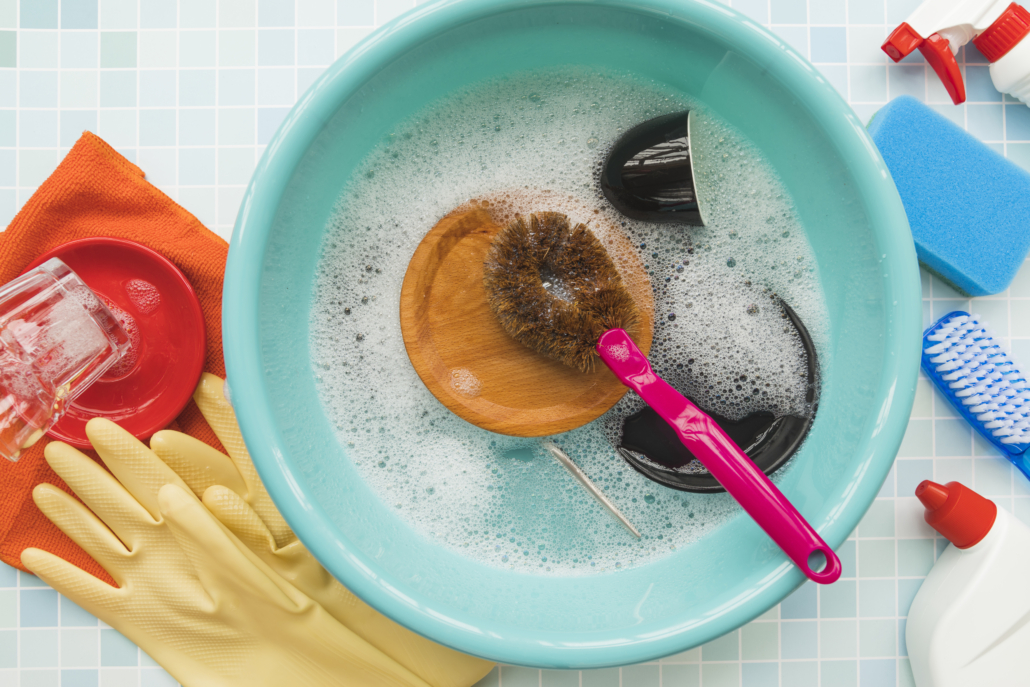
Bowl up for washing up

Rather than washing dishes under a running tap, fill a bowl with clean soap and water. You’ll use far less water overall.

Turn off the tap

A running tap can waste up to 6 litres per minute. Turn it off while brushing your teeth or use a bowl of water to clean your veggies.

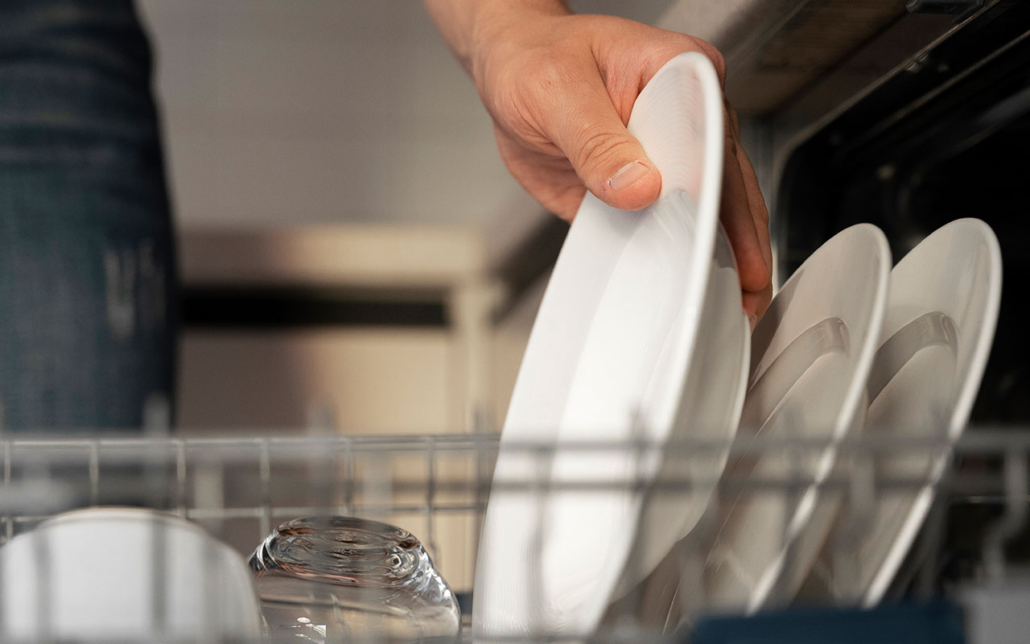
Only run on full loads

Modern dishwashers and washing machines are incredibly efficient when full, especially if they have an ‘eco’ setting.

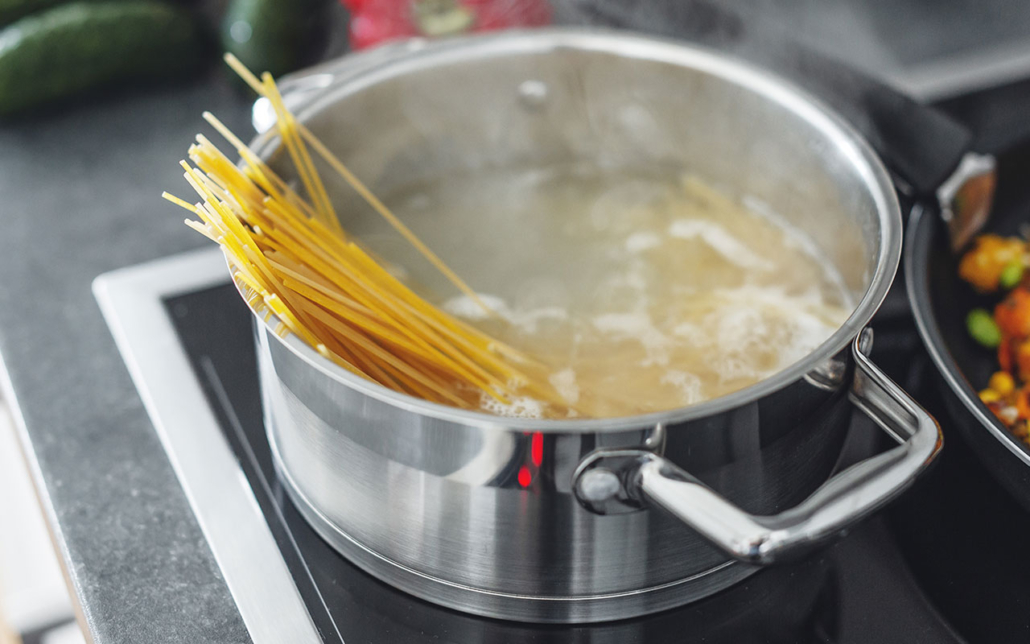
Reuse cooking water

Cool (unsalted) cooking water and use it to water houseplants or your garden. It’s a simple way to reuse water that would otherwise go down the drain, and your plants will thank you for the extra nutrients!

Fix drips and leaks

Leaky taps and toilets can waste thousands of litres a year. A quick check under the sink or around the loo could uncover a simple fix, saving the planet and saving you money.

Collect rainwater

Collecting rain is a great way to ensure you have water for your garden during dry weather. You can either use household containers (e.g., an opened milk jug, an old bowl), or pick up a water butt at your local garden centre.

Chill a jug of water

Running the tap to get cold water? Try keeping a jug in the fridge instead to keep you refreshed, replacing your water every 24 hours.

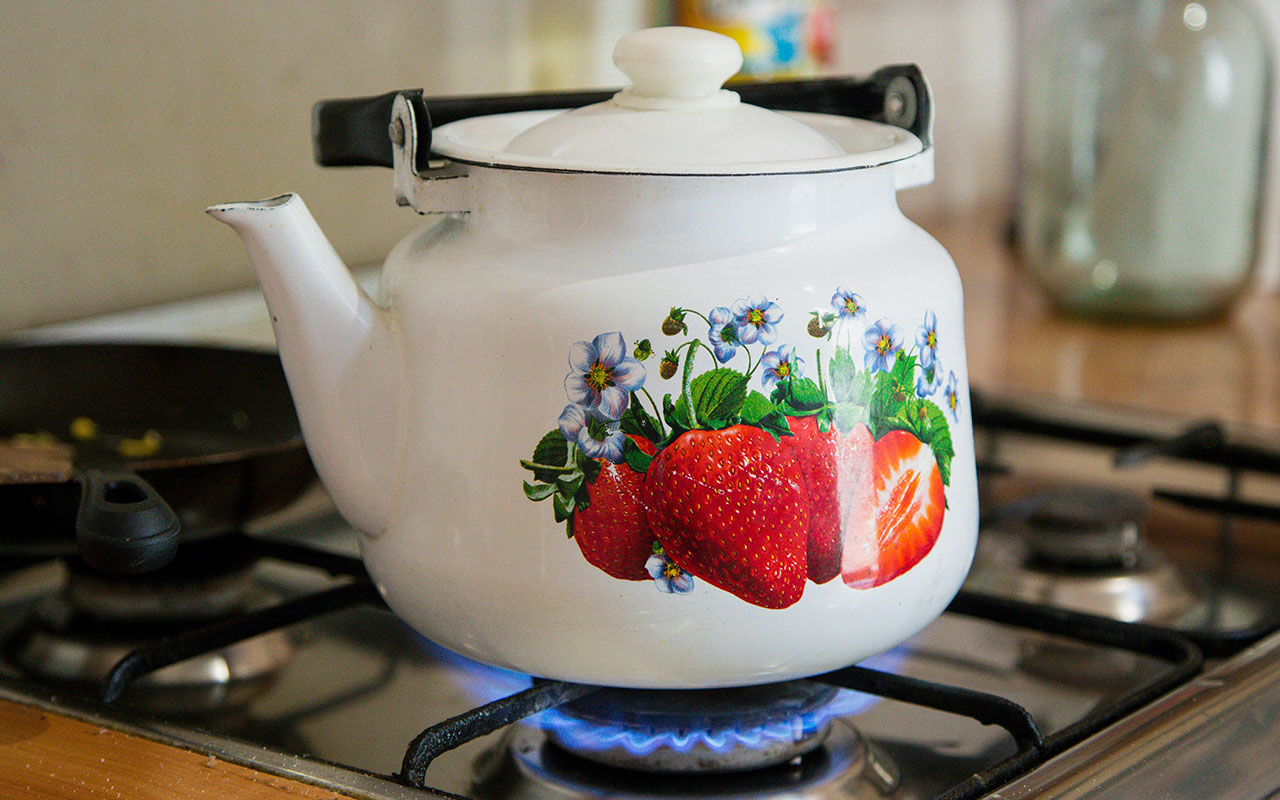
Boil only what you need

Whether it’s one cuppa or three, only fill the kettle with the amount of water you need. It saves water and energy.

Every action counts and by making just a few of these changes, you’re helping to secure our water supply and protect the environment for future generations.